Just Mercy by Bryan Stevenson

In This Kit You’ll Find:
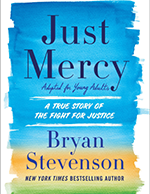
- 8 copies of Just Mercy: Adapted for Young Adultsby Bryan Stevenson
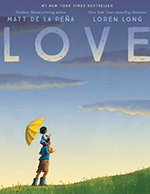
- 2 copies of Love by Matt De La Pena
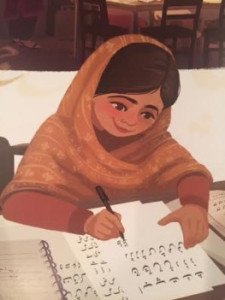
- 2 copies of For The Right to Learn by Rebecca Langston-George
- 1 copy of the discussion questions(you may keep)
- Book sign-up sheet to keep track of books (you may keep)
- For the Right to Learn Coloring Pages (you may keep)
Themes for Discussion:
- Just Mercy: Resistance & advocacy, economic & racial bias, oppression & dehumanization, empathy, mercy & humanization
- Love: Accepting & giving love, families, friendship, interpersonal relationships
- For The Right to Learn: human rights, political activism, women’s rights, children’s rights, social reform
About the Book:
- Just Mercy: The founder of the Equal Justice Initiative in Montgomery, Alabama recounts his experiences as a lawyer working to assist those desperately in need, reflecting on his pursuit of the ideal of compassion in American justice. (Novelist)
- Love: Illustrations and easy-to-read text celebrate the bonds of love that connect us all. (Novelist)
- For the Right to Learn: Tells the harrowing story of Malala Yousafzai standing up for girls’ education against the Taliban, being shot in the head, and surviving to continue the fight. (Novelist)
You’ll Like It If You Like:
Inspiring and engaging biographies and memoirs, life stories, law and order, stories about society and culture
Reading Level:
- Just Mercy: Read Together, Grades 5 – 6; Read Alone, Grades 7 & Up
- Love: Ages 0 – 8 years
- For the Right to Learn: Read Together, Grades 2-3; Read Alone, Grades 3 – 4
Fun things To Do & Explore at Your Book Club:
Watch: Author Bryan Stevenson’s TED Talk about injustice in America’s prison system:
Stories: Learn more about the stories told in Just Mercy

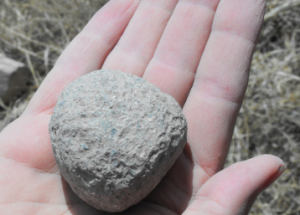
Discuss: Stevenson mentioned ways to be a stonecatcher. Discuss with your group what it is and why it is important to be a stonecatcher. How could you be a stonecatcher?
Research: Learn more about the following initiatives and projects, the Equal Justice Initiative The Innocence Project, and The Sentencing Project. Share your findings & ideas with each other.


Love Readers: For all ages, There are many ways to express love beyond words. Talk about other ways of communicating (music, dance, drama, art, photography, etc) and think about how those ways can be used to express love. For some inspiration, check out: famous paintings expressing love & a list of the 50 best love songs of all time:

For the Right to Learn Readers: Coloring worksheets included in the folder. Can you change the world?
What to read next:

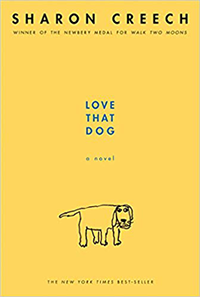
Love That Dog by Sharon Creech

In This Kit You’ll Find:
- 8 copies of Love That Dog by Sharon Creech
- 2 copies of Daniel Finds a Poem by Micha Archer
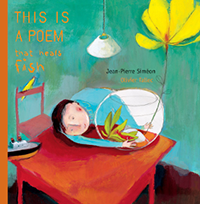
- 2 copies of This is a Poem That Heals Fish by Jean-Pierre Simeon
- 1 copy of the discussion questions (you may keep)
- Book sign-up to keep track of books (you may keep)
- Love That Dog Shape Poem Worksheets (you may keep)
- Daniel Finds a Poem Five Senses Observation Worksheets (you may keep)
Themes for Discussion:
- Love That Dog: Boys & dogs, teacher-student relationships, poetry writing, writing out feelings, boy poets, diaries
- Daniel Finds a Poem: Nature, poetry is all around us
- This is a Poem That Heals Fish: What is a poem?
About the Book:
- Love That Dog: A young student, who comes to love poetry through a personal understanding of what different famous poems mean to him, and an appearance at his school by Walter Dean Myers, surprises himself by writing his own inspired poem. (Novelist)
- Daniel Finds a Poem: A little boy’s animal friends help him discover the poetry to be found in nature. (Novelist)
- This is a Poem That Heals: After his mother, hurrying to her tuba lesson, tells him that a poem will cure his pet fish’s boredom, a little boy tries to find out what a poem is by asking friends, neighbors, and other members of his family. (Novelist)
You’ll Like It If You Like:
Novels in verse, realistic fiction, descriptive writing styles, poetry as inspiration, expression through language, exploring emotions and feelings
Reading Level:
- Love That Dog: Read Together, Grades 3 – 5; Read Alone, Grades 4 – 6
- Daniel Finds a Poem and This is a Poem That Heals Fish: Ages 0 – 8 years
Fun things To Do & Explore at Your Book Club:
- Listen: Former U.S. Poet Laureate, Billy Collins, discusses how best to read a poem out loud for maximum impact in this brief Library of Congress podcast:
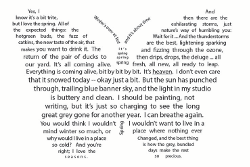
Create: Using the worksheets included in the kit folder, create your own poem where the words make the shape of the poem’s subject, also called a shape poem. Use My Yellow Dog by Jack as a possible model or write your own unique shape poem (example: butterfly shape spring poem):
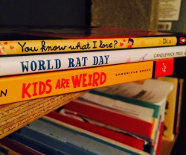
Browse the Stacks: For ALL readers, browse the stacks of your public library or home library and create your own book spine poetry.
Research: Learn more about Walter Dean Myers, whose poem, Love That Boy inspired the book, Love That Dog.

This is a Poem That Heals Fish Readers: Enjoy watching this story board read-aloud:
Daniel Finds a Poem Readers: Using the Five Senses Observation Worksheets included with the kit, go on a poetry walk and create/find your own poems. ReadWriteThink offers good suggestions for your walk and here are some nature poems to read for pre-walk inspiration!

What to read next: